


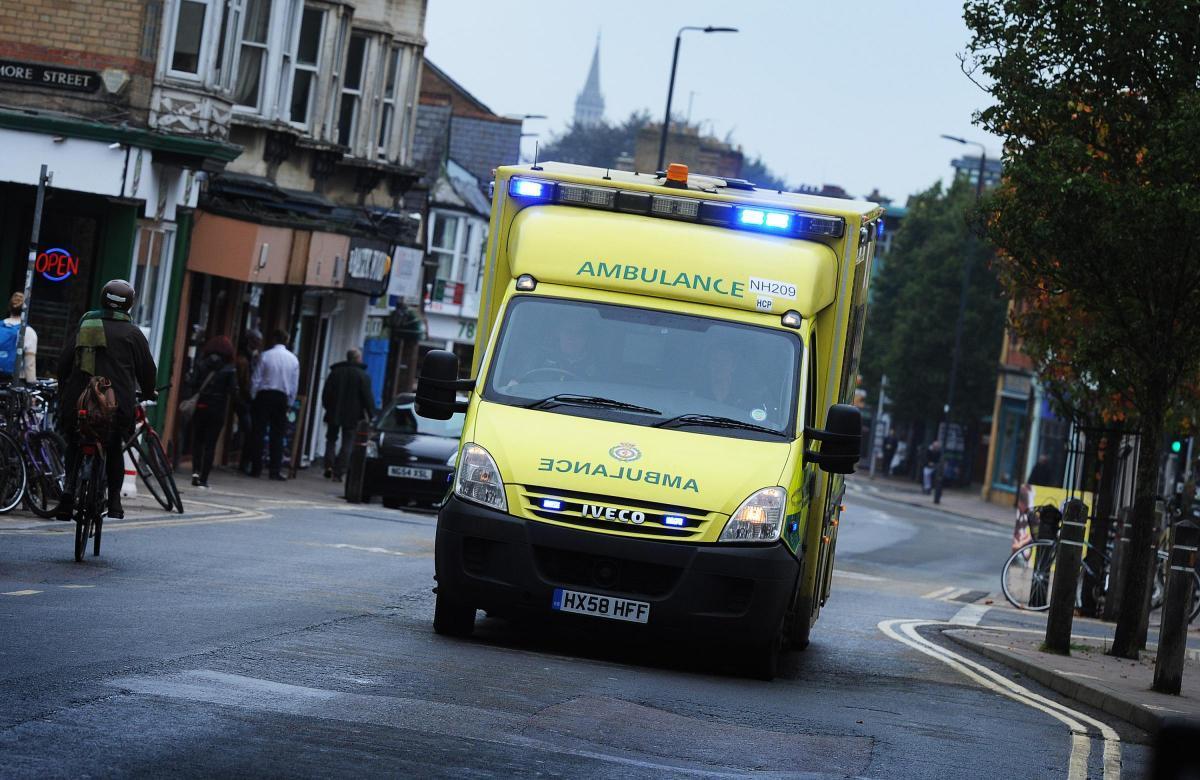


Concerns have been raised as the 999 ambulance service was rated, with inspectors removing its 'inadequate' tag for 'requires improvement'.
The Care Quality Commission has today (Wednesday, November 11) released its report on leadership at South Central Ambulance Service NHS Foundation Trust following an inspection in January.
The trust provides emergency services for around 4.4 million people including in Berkshire, Buckinghamshire, Hampshire and Oxfordshire.
Following an assessment the commission gives NHS trusts a rating focused on leadership and culture in the case of the south central organisation that was 'requires improvement'.
Amanda Williams, the Care Quality Commission's deputy director of hospitals, secondary and specialist care in the South East, noted that the trust had made significant steps forward over the past two years.
This follows an overall rating of 'inadequate' handed to the trust in 2022.
Ms Williams said: “They had a more stable leadership team in place, who had strengthened overall management and made changes based on previous feedback about how the trust was running services.
"As a result, the trust had been discharged from NHS England’s recovery support programmes.

“However, these improvements were still at an early stage and inspectors weren’t assured the systems leaders had in place were robust enough yet to consistently identify risks or to drive sustainable improvements for people using services."
In addition she said they found that a focus on finance and performance had impacted staff culture, with the 2024 NHS staff survey showing areas such as wellbeing and morale had deteriorated.
“It was concerning," said Ms Williams, "to see only 50 per cent of frontline staff felt safe to speak up, and 68 per cent of staff didn’t believe their concerns would be addressed".
She continued: "We know if staff don’t feel able to report concerns it can lead to risks going unaddressed and people receiving unsafe care so it’s vital leaders take these findings seriously."

Examples of good practice were noted in terms of cyber security and partnerships with other services as well as learning and innovation including in artificial intelligence.
Ms Williams added that it was "clear" that leaders understand what needs to be done to improve the everyday experience of staff and patients.
Responding to the survey, the interim managing director of the ambulance service, Stuart Rees, noted positive developments had been highlighted including around partnership working and the dedication of frontline staff.
He added: "At the same time, the report challenges us to build on these foundations by further strengthening culture, speaking up, inclusion, leadership, and governance.”
Helen Young, chief nurse at the south central service, said: "The task now is to ensure colleagues across the organisation increasingly see and feel the benefits of those improvements in their day-to-day working lives, and that translates into helping us all deliver the best possible care to all our patients."
The group chief executive of South Central Ambulance Service, Simon Ashton, said this reflects a point in its improvement journey as it strives towards a 'good' rating in the future.


Share